 Lives of Scripture
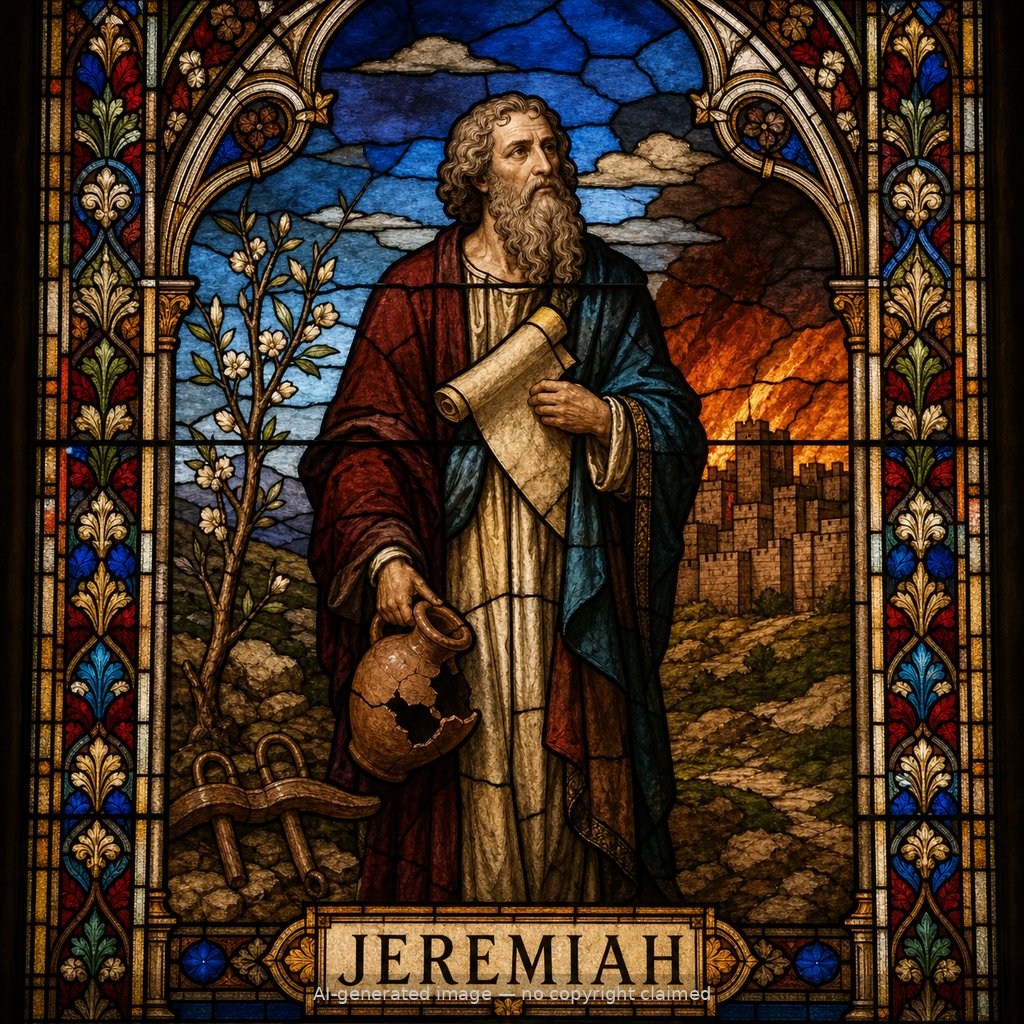
Jeremiah (M)
First named in 2 Chronicles 35:25
Jeremiah was called as a young man — he protested, "I am only a youth," but God told him, "Before you were born I consecrated you... a prophet to the nations" (Jeremiah 1:4-10). From Josiah's thirteenth year until Jerusalem's fall, Jeremiah warned Judah that persistent idolatry and false confidence in the temple itself ("This is the temple of the LORD") would bring Babylonian judgment, a message so unwelcome that he was beaten, put in stocks, and lowered into a muddy cistern to die before a foreign official, Ebed-melech, rescued him (Jeremiah 7:1-15; 20:1-2; 38:1-13). King Jehoiakim cut up and burned the scroll of Jeremiah's prophecies as Baruch read it aloud, and Jeremiah simply dictated it again (Jeremiah 36). Even while announcing seventy years of exile, Jeremiah bought a field in Anathoth as a prophetic sign that God would one day restore the land (Jeremiah 32:6-15). His deepest message looked past judgment to hope: God promised a New Covenant written on human hearts rather than stone, a promise the New Testament identifies as fulfilled in Christ (Jeremiah 31:31-34; Hebrews 8:8-12). After Jerusalem fell and the governor Gedaliah was assassinated, Jeremiah was forced against his own counsel to flee to Egypt with the surviving remnant, and Scripture's record of him ends there (Jeremiah 43:1-7).
Thought for Today
Jeremiah promised a New Covenant written on the heart, not stone. Jesus's blood made that promise come true for us.
References: 2 Chronicles 35:25; 2 Chronicles 36:12-22; Ezra 1:1; Jeremiah 1:1-11; Jeremiah 7:1; Jeremiah 11:1; Jeremiah 14:1; Jeremiah 18:1-18; Jeremiah 19:14; Jeremiah 20:1-3; Jeremiah 21:1-3; Jeremiah 24:3; Jeremiah 25:1-13; Jeremiah 26:7-24; Jeremiah 27:1; Jeremiah 28:5-15; Jeremiah 29:1-30; Jeremiah 30:1; Jeremiah 32:1-26; Jeremiah 33:1-23; Jeremiah 34:1-12; Jeremiah 35:1-18; Jeremiah 36:1-32; Jeremiah 37:2-21; Jeremiah 38:1-28; Jeremiah 39:11-15; Jeremiah 40:1-6; Jeremiah 42:2-7; Jeremiah 43:1-8; Jeremiah 44:1-24; Jeremiah 45:1; Jeremiah 46:1-13; Jeremiah 47:1; Jeremiah 49:34; Jeremiah 50:1; Jeremiah 51:59-64; Daniel 9:2; Matthew 2:17; Matthew 16:14; Matthew 27:9
Genealogy
Connections
- Prophesied of Christ (Matthew 2:17-18)
- Hilkiah (M) — begot → Jeremiah (M)
- Jeremiah (M) — prophesied against → Jehoahaz (M)
Jeremiah told the people not to weep for the dead Josiah but for his son Shallum (Jehoahaz), who would die in exile in Egypt and never return.
Jeremiah 22:10-12
- Jeremiah (M) — confronted → Jehoiakim (M)
Jehoiakim cut apart and burned in a fire pot the scroll of warnings Jeremiah had dictated; Jeremiah dictated it again with more added.
Jeremiah 36:1-32
- Jeremiah (M) — prophesied against → Jehoiachin (M)
Jeremiah pronounced that none of Jehoiachin's (Coniah's) offspring would prosper sitting on David's throne.
Jeremiah 22:24-30
- Jeremiah (M) — counseled → Zedekiah (M)
Zedekiah repeatedly summoned Jeremiah for private counsel during Babylon's siege of Jerusalem; Jeremiah urged surrender and was imprisoned for it.
Jeremiah 37:1-21; Jeremiah 38:1-28
Places
- Anathoth
- Egypt — carried down into this land by the fleeing remnant against his word
Jeremiah 43:6-7
- Jerusalem — prophesied in this city until its fall, and was imprisoned in it
Jeremiah 32:2; Jeremiah 38:6
- Kingdom of Judah — prophesied through its final decades and its fall
Jeremiah 1:1-3