Lives of Scripture
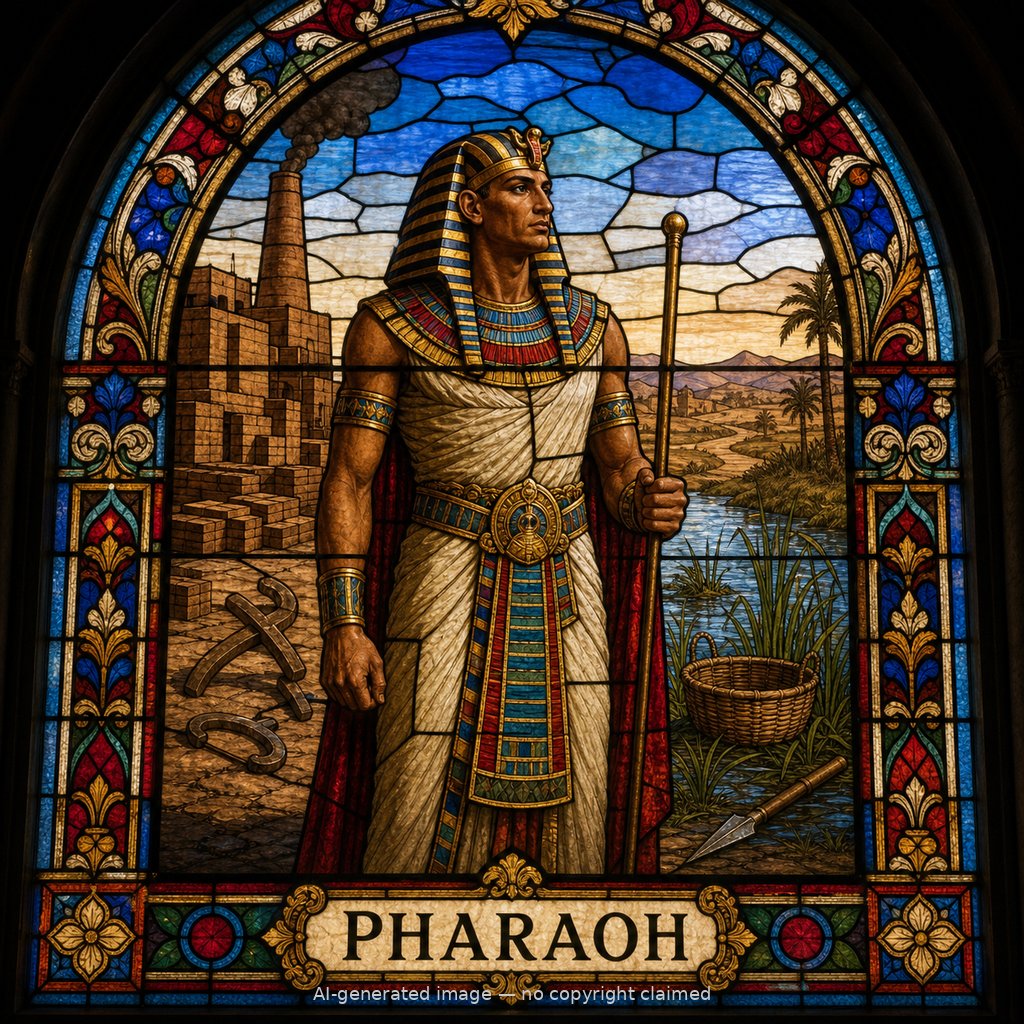
Pharaoh (M)
First named in Exodus 1:11-22
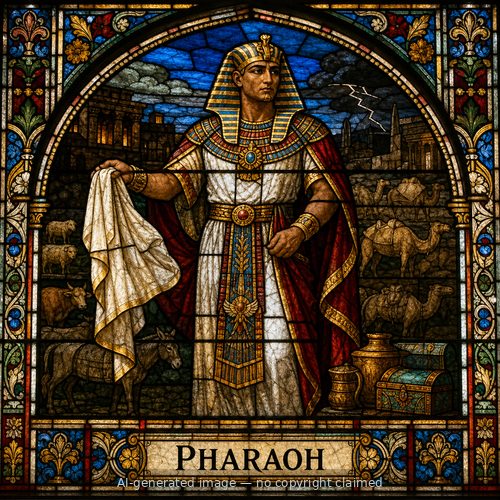
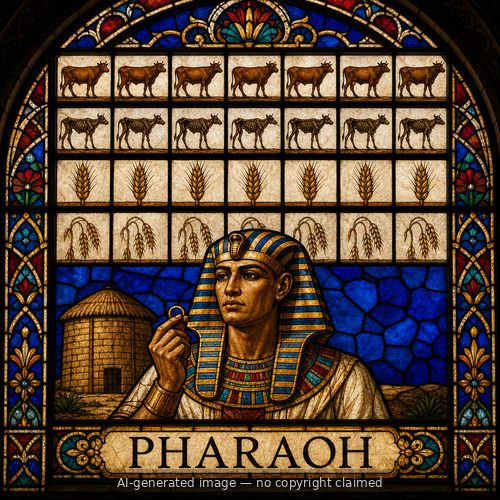
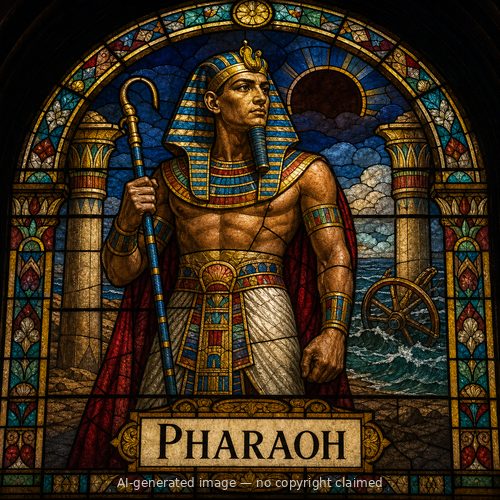
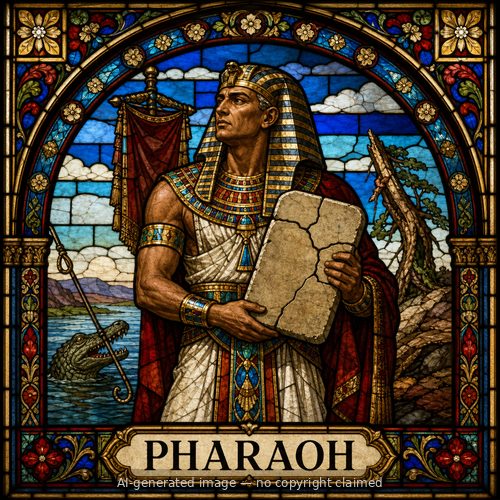
A new king arose in Egypt "who did not know Joseph," alarmed that the enslaved Israelites had grown so numerous he feared they might side with an enemy in war (Exodus 1:8-10). He forced them into brutal labor building the store cities of Pithom and Rameses, but the harder Israel was oppressed, the more it multiplied (1:11-14). When that failed, he ordered the Hebrew midwives Shiphrah and Puah to kill every Hebrew son at birth; they feared God and refused, so Pharaoh escalated the order to his own people: every Hebrew son was to be thrown into the Nile (1:15-22). It was into this danger that Moses was born, hidden three months, then set adrift in a basket -- providentially found and raised by Pharaoh's own daughter (2:1-10). As an adult, Moses killed an Egyptian he saw beating a Hebrew slave; when Pharaoh heard of it, he sought to kill Moses, who fled to Midian (2:11-15; Acts 7:23-29). Hebrews 11:24-27 later commends Moses for refusing the privileges of being called "the son of Pharaoh's daughter" and for leaving Egypt "not fearing the wrath of the king." This Pharaoh did not live to see Moses' return: "the king of Egypt died" while Moses was still in Midian, and a new Pharaoh took the throne (2:23) -- the one Moses and Aaron would confront over the ten plagues and Israel's release.
Thought for Today
This Pharaoh tried to kill Hebrew baby boys, yet God protected baby Moses, Israel's future deliverer. Jesus survived a royal death order as a baby, becoming our deliverer.
References: Exodus 1:11-22; Exodus 2:5-23; Acts 7:18-21; Hebrews 11:24
Genealogy
Father
—Mother
—Spouse(s)
—Children
—Places
Other people named Pharaoh