Lives of Scripture
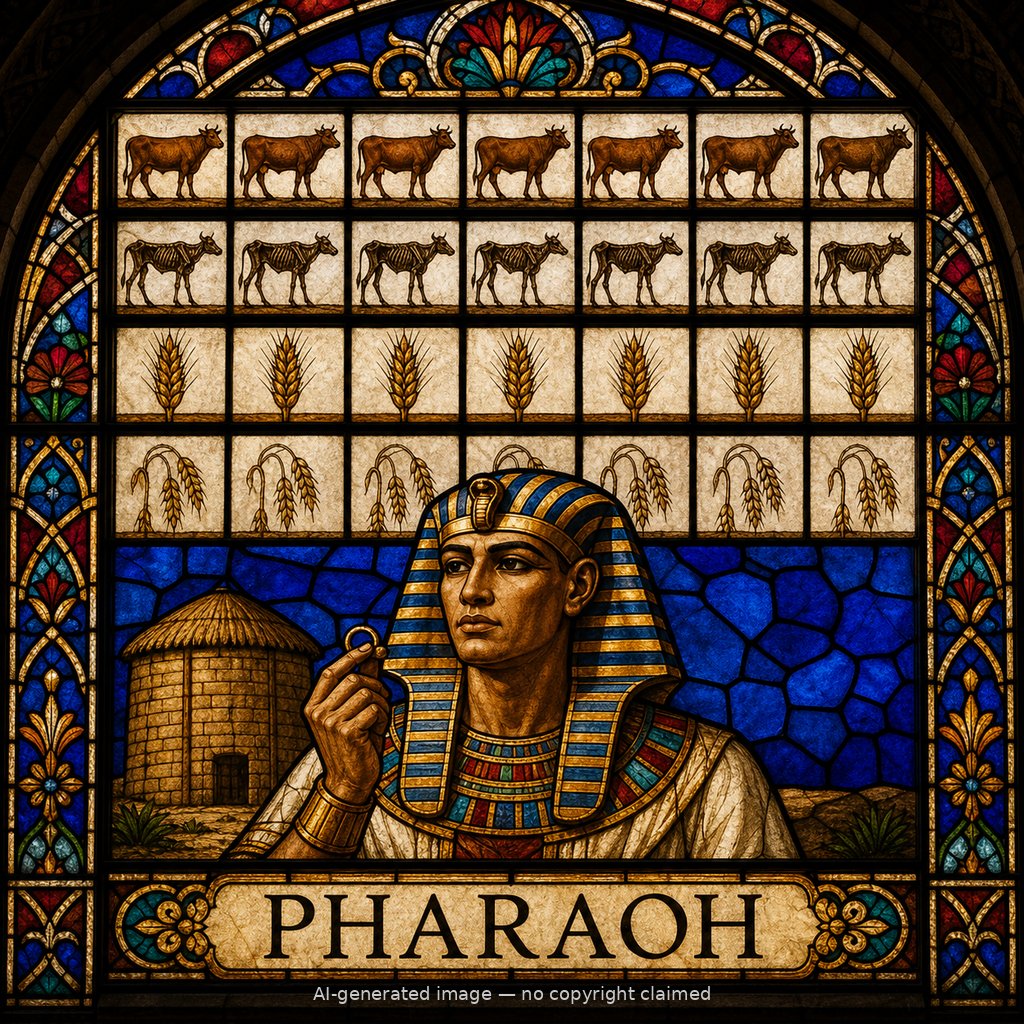
Pharaoh (M)
First named in Genesis 37:36
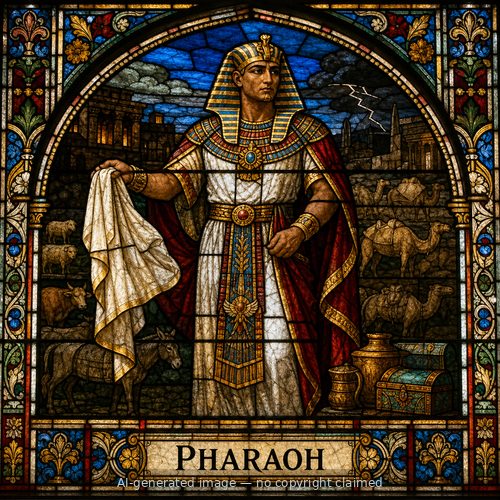
This unnamed Pharaoh's two disturbing dreams -- seven gaunt cows devouring seven fat ones, and seven withered heads of grain swallowing seven plump ones -- stumped all of Egypt's magicians and wise men (Genesis 41:1-8). His cupbearer, remembering the Hebrew prisoner who had correctly interpreted his own dream in prison, recommended Joseph (41:9-13). Joseph told Pharaoh the dreams were one message from God: seven years of abundance in Egypt would be followed by seven years of severe famine, and he urged Pharaoh to appoint someone wise to store up grain during the good years (41:25-36). Pharaoh recognized God's Spirit at work in Joseph and set him over all Egypt, second only to himself, saying, "without your permission no one shall raise his hand or foot in all the land of Egypt" (41:37-44). He gave Joseph an Egyptian name and a wife, and Joseph's authority ended up saving not only Egypt but the surrounding nations, including his own family, from starvation (41:45; 45:9-11). When Joseph's brothers and then his father Jacob came to Egypt, Pharaoh welcomed them, granted them the fertile land of Goshen, and personally received and blessed Jacob (45:16-20; 47:1-10). Acts 7:10 later credits God with giving Joseph favor and wisdom "before Pharaoh, king of Egypt." This Pharaoh's generosity toward Joseph's family set the stage for Israel's centuries in Egypt -- a story that would end generations later under a very different Pharaoh, one who "did not know Joseph" (Exodus 1:8).
Thought for Today
Pharaoh lifted Joseph from prisoner to ruler because he saw God's Spirit in him. Jesus was raised from death to the highest place to save the world.
References: Genesis 37:36; Genesis 39:1; Genesis 40:1-21; Genesis 41:1-55; Genesis 42:15-16; Genesis 44:18; Genesis 45:2-21; Genesis 46:5-33; Genesis 47:1-26; Genesis 50:4-7; Acts 7:10-13
Genealogy
Father
—Mother
—Spouse(s)
—Children
—Places
Other people named Pharaoh