Lives of Scripture

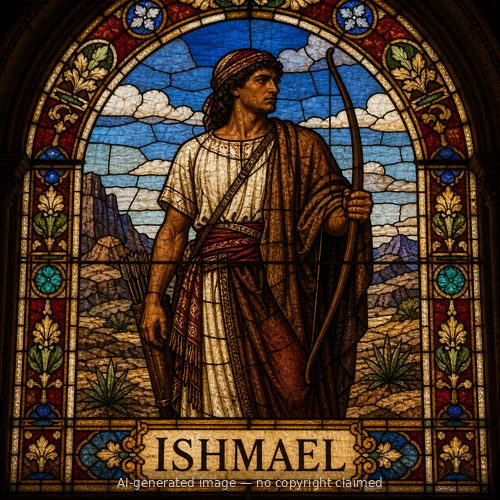
Ishmael (M)
First named in 2 Kings 25:23-25
Ishmael, son of Nethaniah, was of royal blood, a descendant of Judah's kings (2 Kings 25:25). After Jerusalem fell to Babylon in 586 BC, the Babylonians appointed Gedaliah as governor over the remaining population, and Ishmael was among the officers who initially came to him at Mizpah (Jeremiah 40:8). Warned that Ishmael, sent by the king of Ammon, intended to assassinate him, Gedaliah refused to believe it and would not let anyone act preemptively (40:13-16) -- a fatal misjudgment. In the seventh month, Ishmael and ten men came to Mizpah, ate a meal with Gedaliah, then rose up and struck him down, along with the Judean and Chaldean soldiers stationed there (41:1-3). The next day he murdered eighty pilgrims traveling to mourn at the temple ruins, dumping most of their bodies into a cistern, and took the rest of Mizpah's people captive, marching them toward Ammon (41:4-10). Johanan and other commanders pursued, rescued the captives, and Ishmael fled with only eight men to the Ammonites (41:11-15). Ishmael's treachery devastated what little stability remained in the ruined land -- fear of Babylonian reprisal for Gedaliah's murder then drove the surviving remnant, against Jeremiah's explicit warning, to flee to Egypt (41:16-43:7), compounding the tragedy his violence began.
Thought for Today
Ishmael repaid Gedaliah's trust with betrayal and murder, plunging Judah into fresh ruin. Jesus was also betrayed by those close to him, yet turned betrayal into our redemption.
References: 2 Kings 25:23-25; Jeremiah 40:8-16; Jeremiah 41:1-18
Genealogy
Connections
Places
Other people named Ishmael