 Lives of Scripture
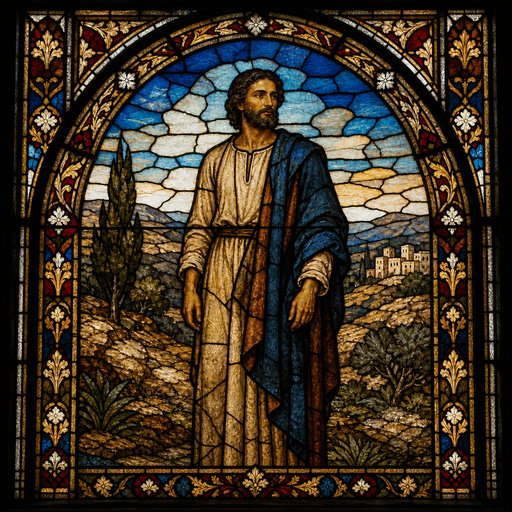
Shethar-bozenai (M)
First named in Ezra 5:3-6
Shethar-bozenai was a Persian official serving alongside Tattenai, governor of the province beyond the Euphrates, during the rebuilding of the Jerusalem temple under Zerubbabel and Joshua the priest. When the two officials saw the work underway, they came to the Jewish elders and asked pointedly, "Who issued you a decree to rebuild this temple?" (Ezra 5:3-4). Rather than halting the project outright, Shethar-bozenai joined Tattenai in sending a detailed report to King Darius, recounting the Jews' claim that Cyrus had authorized the rebuilding and requesting a search of the royal archives to verify it (Ezra 5:6-17). The search confirmed Cyrus's original decree, and Darius responded with a decree of his own, commanding Tattenai and Shethar-bozenai not only to stay away from the work but to fund it from royal revenue (Ezra 6:6-12). Scripture then records their obedience: "Then Tattenai... and Shethar-bozenai... did in accordance with what King Darius had sent" (Ezra 6:13), and the temple was finished. Shethar-bozenai's brief role -- an official who investigated rather than obstructed, and who complied fully once the king's will was clear -- became, under God's providence, part of the mechanism through which the rebuilding of His house went forward unhindered.
Thought for Today
Shethar-bozenai first questioned the Jews' right to rebuild God's temple, then funded it once the king's decree came. God can turn opposition into service of His plan.
References: Ezra 5:3-6; Ezra 6:6-13