 Lives of Scripture
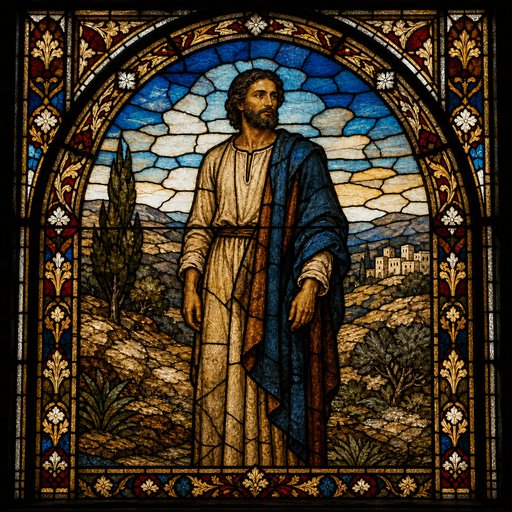
Shabbethai (M)
First named in Ezra 10:15
After Ezra confronted the returned exiles with the sobering discovery that many Israelite men, including priests and Levites, had married foreign wives who worshiped other gods, the whole assembly gathered in Jerusalem in distress and grief to decide how to respond (Ezra 10:1-14). In the account of that meeting, Shabbethai the Levite is named alongside Meshullam in connection with Jonathan son of Asahel and Jahzeiah son of Tikvah: "Only Jonathan the son of Asahel and Jahzeiah the son of Tikvah stood up against this, and Meshullam and Shabbethai the Levite supported them" (Ezra 10:15). The Hebrew here is genuinely difficult, and some translations instead read the four men as being appointed to oversee the difficult process of resolving the marriages, rather than opposing it. Either way, Shabbethai is placed at the center of one of the rawest, most painful reform efforts in Israel's post-exilic story.
Thought for Today
Shabbethai the Levite helped steer the people through a hard, painful correction after the exile, when they had to face how far they had drifted from God. Jesus offers the grace that simply facing our failure, by itself, could never provide.
References: Ezra 10:15
Genealogy
Father
—Mother
—Spouse(s)
—Children
—Connections
- Jonathan (M) ↔ stood together in the intermarriage crisis ↔ Shabbethai (M)
Jonathan and Shabbethai are named together on the same side of a four-man group during Ezra's reform of intermarriage among the returned exiles; the Hebrew text is genuinely unclear whether the group jointly opposed the process or was instead appointed to help administer it.
Ezra 10:15