Lives of Scripture
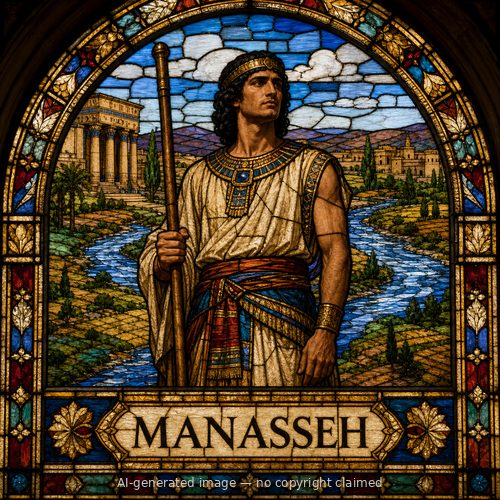
Manasseh (M)
First named in 2 Kings 20:21
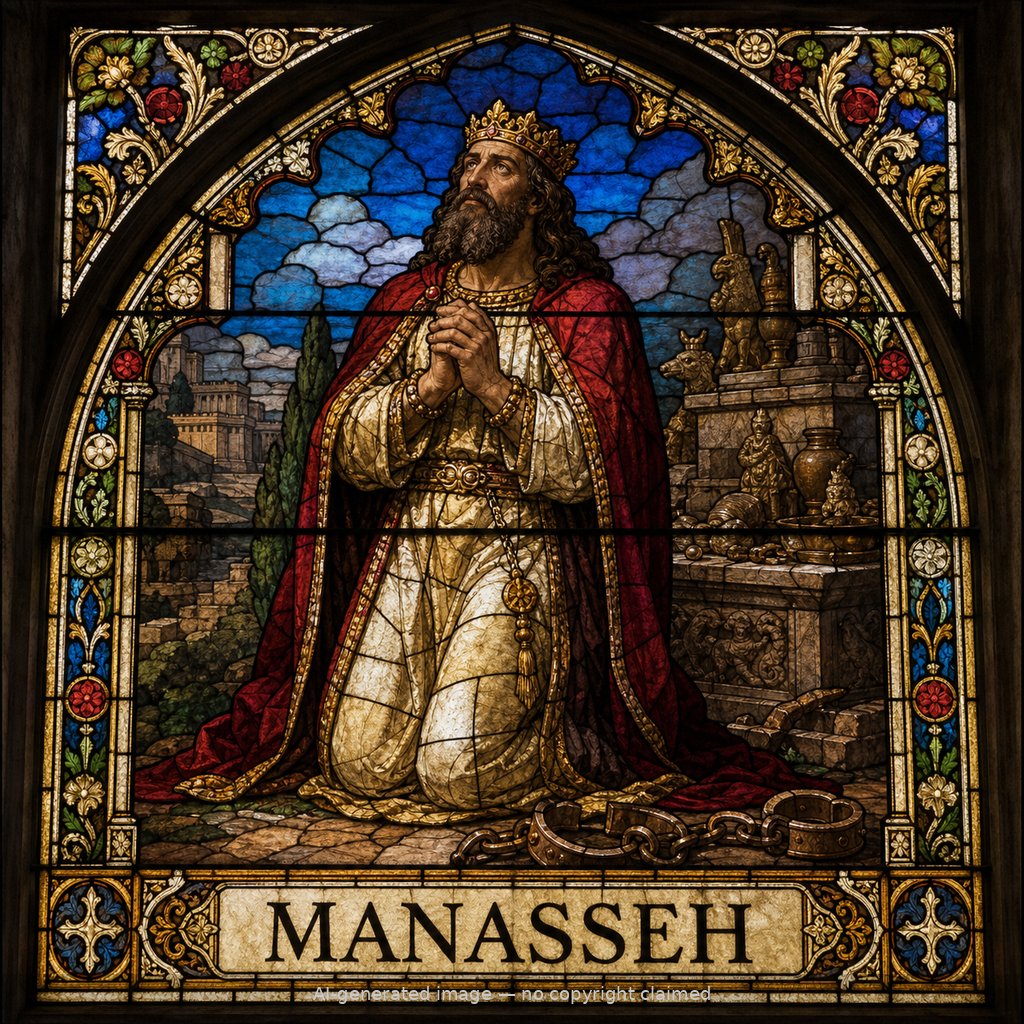
Manasseh, son of the godly Hezekiah, became Judah's most wicked king: he rebuilt the high places his father had destroyed, built altars to Baal, worshiped "all the host of heaven," practiced sorcery, and even sacrificed his own sons in the fire, filling Jerusalem "from one end to another" with innocent blood (2 Kings 21:1-16). His fifty-five-year reign was the longest in Judah or Israel, and Scripture holds him chiefly responsible for the judgment that would eventually fall on Jerusalem (2 Kings 21:11-15; 24:3-4). Yet his story does not end in unrelieved darkness: 2 Chronicles alone records that the Assyrians captured Manasseh, bound him with bronze shackles, and took him to Babylon, where "in his distress he entreated the favor of the LORD his God and humbled himself greatly" (2 Chronicles 33:10-13). God heard him, restored him to his throne, and Manasseh spent his remaining years removing the foreign gods and altars he had built, repairing the altar of the LORD, and telling Judah to serve God alone — though the high places, later destroyed by his grandson Josiah's reforms, show the damage of his earlier decades outlasted his own lifetime (2 Chronicles 33:14-17). Manasseh's story is Scripture's starkest picture that even the worst offender can be genuinely restored by God's mercy.
Thought for Today
Manasseh sacrificed his own sons in the fire and filled Jerusalem with innocent blood through fifty-five years as Judah's worst king, yet in exile, bound in bronze shackles, he humbled himself and God heard him and restored his throne. Jesus's mercy reaches even the worst offender who turns to Him, exactly as it reached Manasseh.
References: 2 Kings 20:21; 2 Kings 21:1-20; 2 Kings 23:12-26; 2 Kings 24:3; 1 Chronicles 3:13; 2 Chronicles 32:33; 2 Chronicles 33:1-23; Jeremiah 15:4; Matthew 1:10
Genealogy
Connections
Places
- Babylon
- Jerusalem
- Kingdom of Judah — its most idolatrous king, who repented in Babylonian captivity
2 Chronicles 33:1-13
Other people named Manasseh