 Lives of Scripture
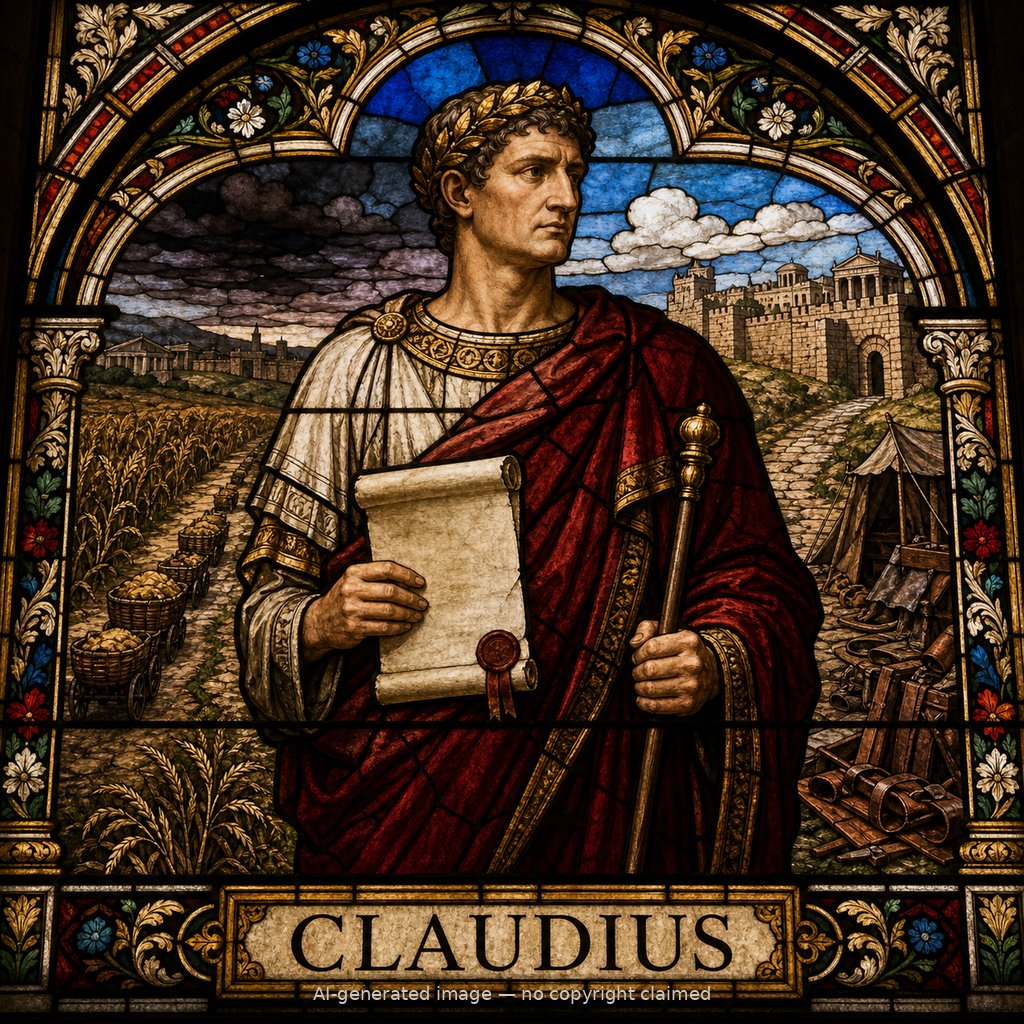
Claudius (M)
First named in Acts 11:28
Claudius was the fourth Roman emperor (reigned AD 41-54), and Scripture mentions him twice by name as a marker of secular history intersecting the early church's story. In Acts 11:28, the prophet Agabus, moved by the Spirit, predicted "that there would certainly be a great famine all over the world. And this took place in the reign of Claudius" -- prompting the Antioch church to send relief to believers in Judea (11:29-30), an early example of cross-regional Christian generosity in response to real hardship. Later, in Acts 18:2, Luke records that Paul met "a Jew named Aquila... and his wife Priscilla, because Claudius had commanded all the Jews to leave Rome." This expulsion, a documented historical event generally dated to around AD 49, is what brought Aquila and Priscilla to Corinth, where they partnered with Paul in tentmaking and ministry and later became significant coworkers in his mission (18:3, 18, 26; Romans 16:3-4). Claudius himself takes no direct action toward the church in the text -- his famine and his edict are simply the backdrop against which God moved His people, provided for the suffering, and brought key partners into Paul's path. Scripture treats even the decisions of a pagan emperor with no awareness of Christ as falling within the reach of God's providence for His church.
Thought for Today
God used Emperor Claudius's edict and famine, things he never connected to faith, to bring Aquila and Priscilla to Paul. Nothing lies outside God's plan for His people.
References: Acts 11:28; Acts 17:7; Acts 18:2
Genealogy
Father
—Mother
—Spouse(s)
—Children
—Places
- Rome — emperor here, whose edict expelling Jews sent Aquila and Priscilla away
Acts 18:2