 Lives of Scripture
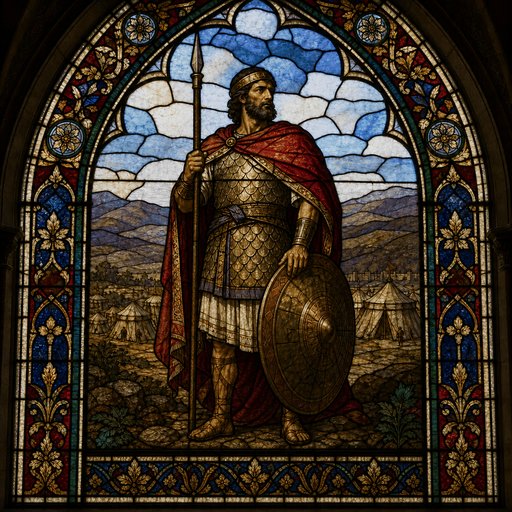
Bigthan (M)
First named in Esther 2:21
Bigthan (also called Bigthana), one of two royal officers who guarded the entrance to King Ahasuerus's palace at Susa, became angry with the king and, together with a fellow guard named Teresh, plotted to assassinate him (Esther 2:21). Mordecai, Esther's cousin who sat at the king's gate, learned of the conspiracy and reported it to Queen Esther, giving Mordecai credit by name (2:22). The matter was investigated, found to be true, and both men were hanged on a wooden gallows; the event was recorded in the official chronicles of the kingdom in the king's presence (2:23). That written record seems forgotten for several chapters -- until, on a sleepless night, King Ahasuerus has the chronicles read to him and discovers Mordecai was never rewarded for exposing the plot (6:1-3). That overlooked debt becomes the turning point of the entire book: it leads directly to Mordecai's public honor and to the unraveling of Haman's plan to destroy the Jews (6:4-14). Bigthan's failed conspiracy, unremarkable on its own, turns out to be the hinge God uses -- without ever being named in the book of Esther -- to protect His people at the moment of their greatest danger.
Thought for Today
Bigthan's forgotten conspiracy became the hinge God used to save His people from Haman's plot. God still works unseen to carry out His saving plan in Jesus.
References: Esther 2:21; Esther 6:2
Genealogy
Father
—Mother
—Spouse(s)
—Children
—Places
- Susa — a royal guard here who plotted to assassinate the king
Esther 2:21