Lives of Scripture

Abijah (M)
First named in 1 Samuel 8:1-5
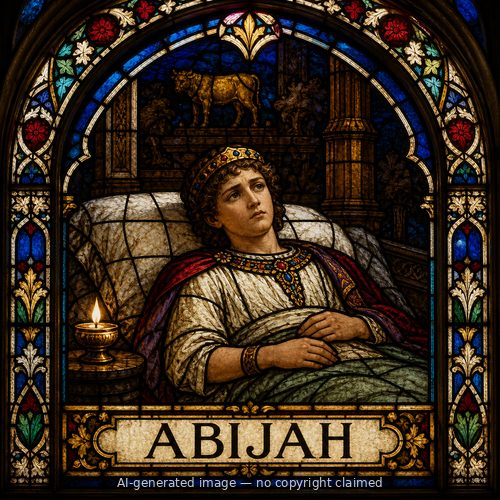
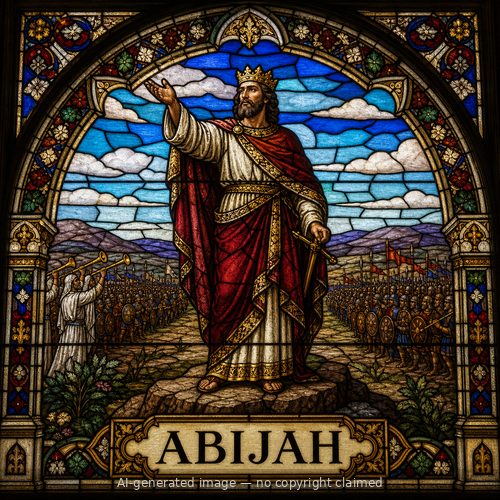
Abijah was the second son of the prophet Samuel, appointed together with his older brother Joel as a judge over Israel at Beersheba once Samuel grew old (1 Samuel 8:1-2). Unlike their father, whose integrity Samuel could later defend publicly before the whole nation without a single accusation raised against him (12:3-5), Abijah and Joel 'did not walk in his ways, but turned aside after dishonest gain and took bribes and perverted justice' (8:3). This corruption became the elders of Israel's stated reason for demanding a king: Samuel was old, and his sons did not walk in his ways, so they wanted a king to judge them the way other nations had (8:4-5) -- a request that displeased Samuel personally but that God told him reflected the people's rejection of God's own kingship over them, not merely a verdict on Samuel's sons (8:6-9). Abijah appears afterward only in the genealogical record of 1 Chronicles 6:28, with no account of any reform, repentance, or further deeds. His and Joel's corrupt judgeship stands as the direct historical trigger for the transition from the period of the judges to Israel's monarchy under Saul -- a striking example of how the moral failure of a single generation, even one raised by as faithful a man as Samuel, reshaped the entire nation's future.
Thought for Today
Abijah's bribery and corrupt judging made Israel demand an earthly king instead of trusting God. Jesus is the perfectly just King we can trust without fear of corruption.
References: 1 Samuel 8:1-5; 1 Chronicles 6:28
Genealogy
Connections
Places
- Beersheba — Samuel's son, a corrupt judge stationed at this town
1 Samuel 8:1-3
Other people named Abijah