 Lives of Scripture
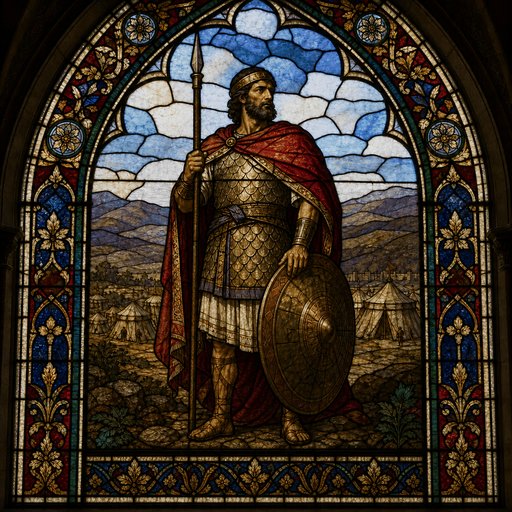
Nobah (M)
First named in Numbers 32:42
Nobah appears briefly in the closing account of Israel's conquest of the Transjordan, the territory east of the Jordan River that the tribes of Reuben, Gad, and half of Manasseh requested and received as their inheritance (Numbers 32). As various clan leaders within these tribes moved to occupy and secure the land, Scripture records: "Nobah went and took Kenath and its villages, and called it Nobah after his own name" (Numbers 32:42). This follows immediately after a similar notice about Jair, a descendant of Manasseh, who captured a cluster of towns in Gilead and renamed them "Havvoth-jair" (32:41), and Machir's earlier capture of Gilead itself (32:39-40). Naming a conquered town after oneself was a way of marking a lasting claim on the land for one's family line. "Nobah" as a place-name does appear later, in Judges 8:11, when Gideon pursues the fleeing Midianite kings "by the caravan route east of Nobah and Jogbehah" -- generally understood as the same town, still carrying Nobah's name generations later. Beyond this single act of conquest and naming, Scripture tells us nothing more about Nobah himself -- but his name endured on the map of Gilead long after he is last mentioned.
Thought for Today
Nobah conquered a town and made his mark by naming it after himself. May we instead make our mark by pointing others to Jesus's name, not our own.
References: Numbers 32:42