Lives of Scripture
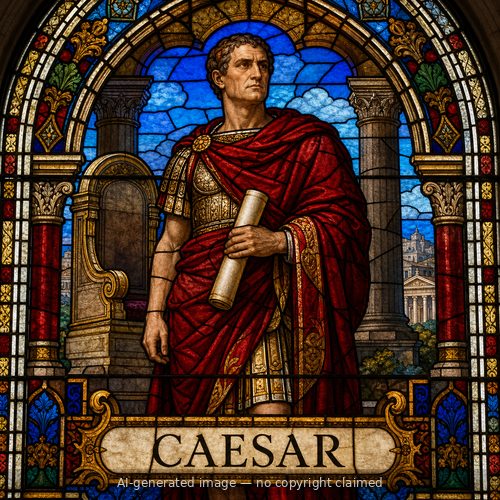
Caesar (M)
First named in Matthew 22:17-21
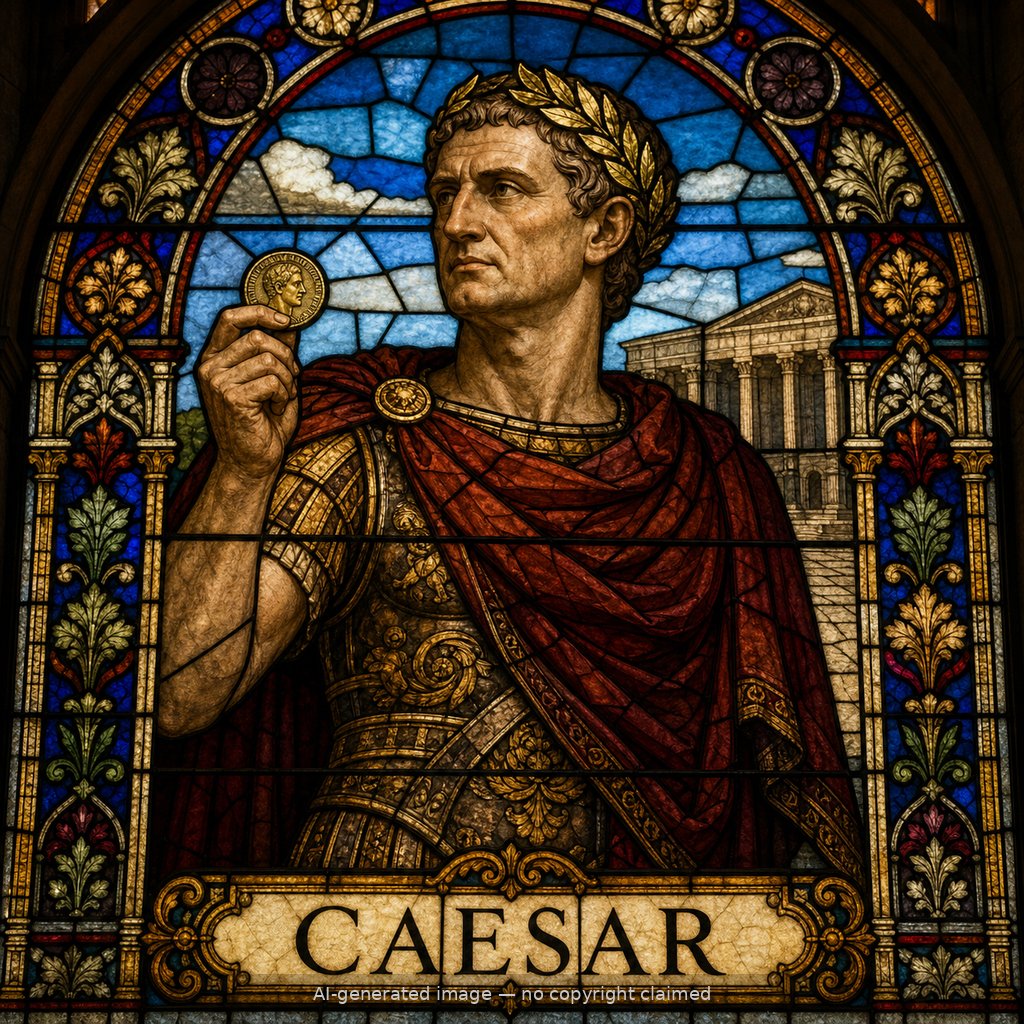
"Caesar" appears throughout the Gospels as the title of Rome's emperor, never a personal name -- though Luke 3:1 dates the start of John the Baptist's ministry to "the fifteenth year of the reign of Tiberius Caesar," placing Jesus's public ministry and death within Tiberius's rule. When religious leaders tried to trap Jesus with a politically loaded question -- whether it was lawful to pay the poll tax to Caesar -- Jesus asked for a coin, had them identify whose image and inscription were on it, and answered, "Render to Caesar the things that are Caesar's, and to God the things that are God's" (Matthew 22:17-21; Mark 12:14-17; Luke 20:22-25), refusing either to endorse Rome's claims or hand His questioners a charge of sedition. During Jesus's trial before Pilate, Caesar's authority became the crowd's weapon: "If you release this Man, you are no friend of Caesar; everyone who makes himself out to be a king opposes Caesar" (John 19:12), and when Pilate offered to release Jesus as "King of the Jews," the chief priests answered, "We have no king but Caesar" (19:15) -- a chilling declaration from Israel's own leaders, who rejected their true King in favor of Rome's. Luke also notes it was before Caesar's own authority that the charge against Jesus, of opposing payment of taxes and claiming kingship, was ultimately pressed (23:2).
Thought for Today
Asked whether it was lawful to pay Caesar's tax, Jesus had them produce a coin bearing Caesar's image and answered, "Render to Caesar the things that are Caesar's, and to God the things that are God's." Jesus never asked us to choose between loving God and living honestly within the world's ordinary authorities.
References: Matthew 22:17-21; Mark 12:14-17; Luke 3:1; Luke 20:22-25; Luke 23:2; John 19:12-15