 Lives of Scripture
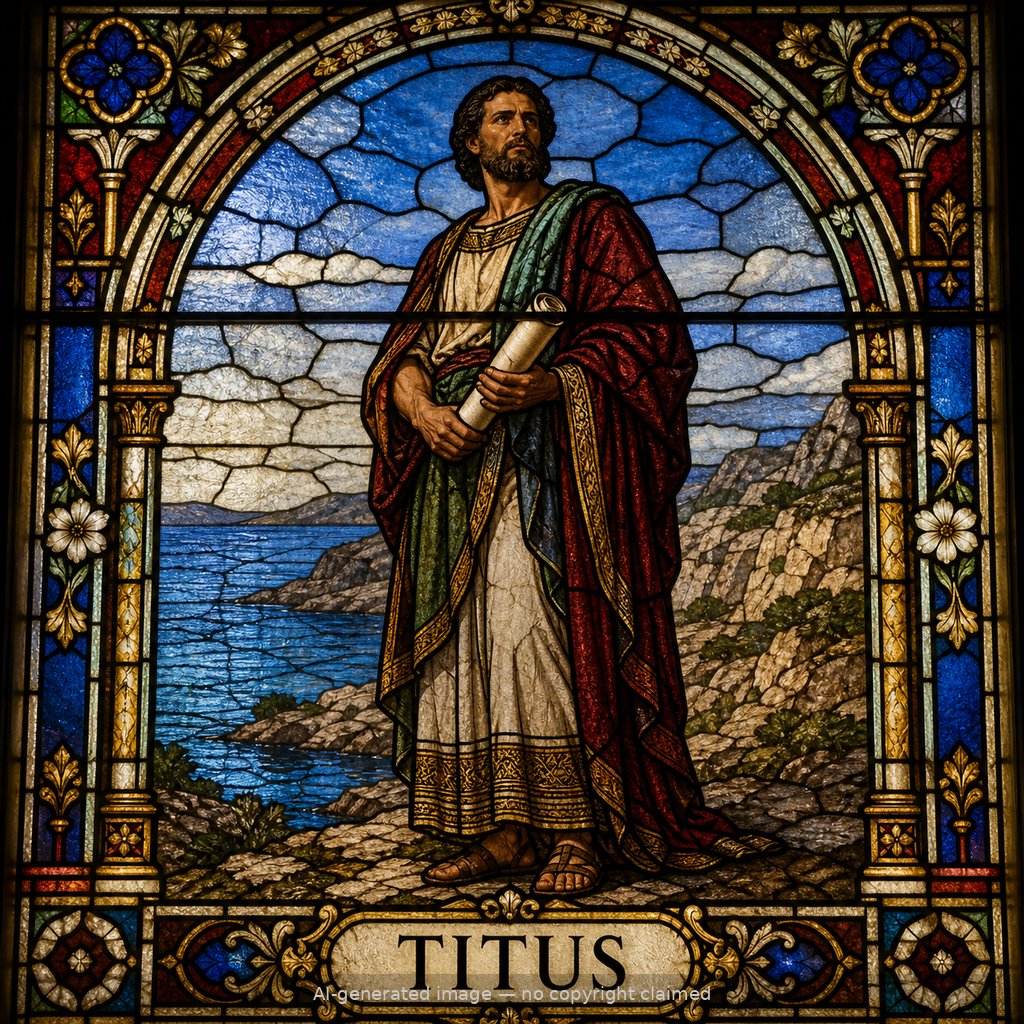
Titus (M)
First named in 2 Corinthians 2:13
Titus, a Gentile, accompanied Paul and Barnabas to the Jerusalem council, where Paul specifically notes he was not compelled to be circumcised, holding him up as living proof that Gentile believers did not need to adopt Jewish law to be full members of the church (Galatians 2:1-3). Paul relied on Titus for some of his most sensitive pastoral work, particularly with the troubled and often combative church at Corinth: he sent Titus to deliver a severe corrective letter and was so anxious for news of how it had been received that he could not rest until finding him (2 Corinthians 2:12-13; 7:5-7). When Titus finally arrived with a good report of the Corinthians' repentance, Paul was deeply comforted, writing that Titus's own spirit had been refreshed by them, and commending him as "my partner and fellow worker" (7:6-7, 13-15; 8:23). Paul later left Titus on the island of Crete specifically "to set in order what remains and appoint elders in every city," and Paul's short letter to Titus gives detailed qualifications for church elders alongside instruction on sound doctrine and godly living for every group within the church (Titus 1:5-9; 2:1-10). Paul's closing instructions ask Titus to meet him at Nicopolis for the winter, reflecting the ongoing, active partnership between the two through years of demanding ministry (3:12).
Thought for Today
Paul held up Titus, a Gentile never compelled to be circumcised, as living proof that faith in Jesus alone, not adopting Jewish law, makes someone a full member of the church. That's still the gospel: Jesus plus nothing.
References: 2 Corinthians 2:13; 2 Corinthians 7:6-14; 2 Corinthians 8:6-23; 2 Corinthians 12:18; Galatians 2:1-3; 2 Timothy 4:10; Titus 1:4