 Lives of Scripture
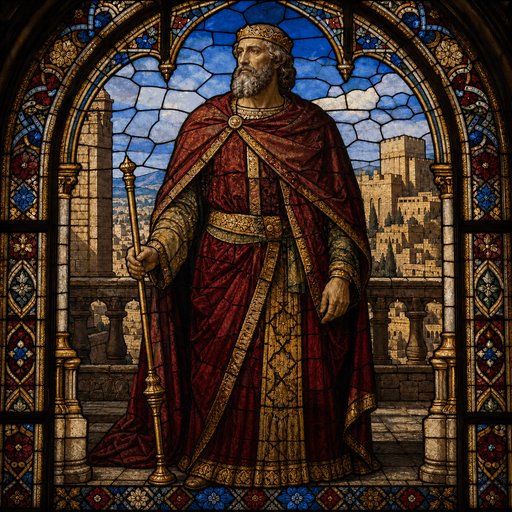
Hamor (M)
First named in Genesis 33:19
Hamor was the Hivite ruler of Shechem, where Jacob had settled after returning to Canaan (Genesis 33:18-19). When Hamor's son Shechem raped Jacob's daughter Dinah, and then wanted her as his wife, Hamor came to Jacob to negotiate -- proposing full intermarriage between their peoples, generous gifts, and free settlement in the land (34:1-12). Jacob's sons, furious over their sister's violation, answered deceitfully: they would agree only if every male in Shechem's city was circumcised like themselves (34:13-17). Hamor and Shechem persuaded their whole city to accept the terms, even offering to share the Israelites' growing wealth as an incentive (34:18-24). But on the third day, while the men of the city were still in pain, Simeon and Levi -- Dinah's full brothers -- attacked the city, killed every male including Hamor and Shechem, rescued Dinah, and the rest of Jacob's sons plundered the city (34:25-29). Jacob rebuked Simeon and Levi for endangering his family among the Canaanites, and later, on his deathbed, formally cursed their anger and cruelty (34:30; 49:5-7). Generations later, Joseph's bones were buried in the very plot of ground bought from Hamor's sons (Joshua 24:32); Judges 9:28 still remembers Shechem as tied to Hamor's name. The episode is one of Genesis's starkest accounts of deception and violence within a patriarchal family, met with no divine endorsement.
References: Genesis 33:19; Genesis 34:2-26; Joshua 24:32; Judges 9:28; Acts 7:16
Genealogy
Connections
Places
- Shechem — the Hivite ruler of this city who negotiated with Jacob's sons
Genesis 34:6-24