Lives of Scripture

Judas of Galilee (M)
First named in Acts 5:37
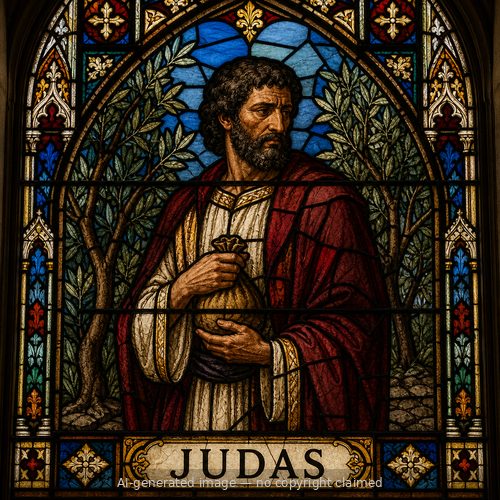
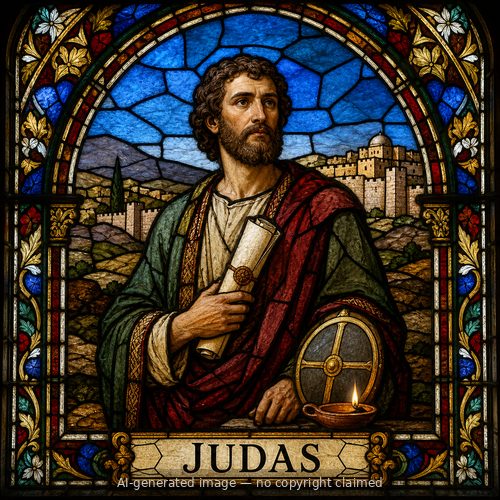
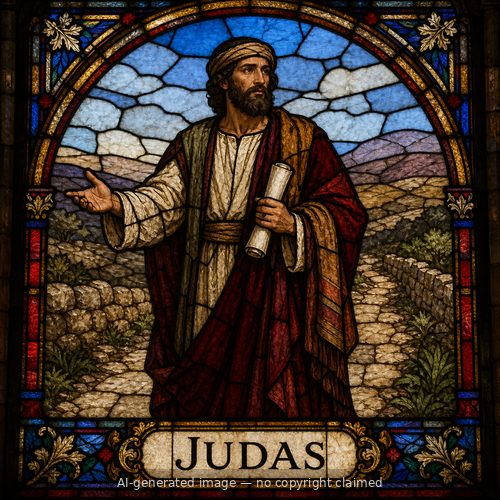
Judas of Galilee appears only within a speech by Gamaliel, a respected Pharisee and teacher of the law, addressing the Sanhedrin as it debated what to do with the apostles after their miraculous release from prison (Acts 5:17-40). Urging caution, Gamaliel recalls two recent failed uprisings as evidence that movements not established by God collapse on their own: first Theudas, then "Judas of Galilee," who "rose up in the days of the census and drew away some people after him; he too perished, and all those who followed him were scattered" (5:37). The census in view is most likely the Roman registration under Quirinius around A.D. 6, which provoked armed resistance from Jews who saw submission to Roman taxation as disloyalty to God alone as king -- a revolt the Jewish historian Josephus also records, describing Judas as a leading instigator whose movement is sometimes linked to the roots of the later Zealot party. Gamaliel's point was that if the apostles' movement was merely human, like Judas's, it would likewise fail; but if it was from God, the council would find itself fighting against God. Judas's brief, unflattering appearance functions as a foil: a would-be deliverer whose rebellion ended in death and scattered followers, set against the apostles' gospel, which the rest of Acts shows could not be stopped.
Thought for Today
Judas of Galilee led a rebellion that collapsed and scattered the moment he died. Jesus's kingdom, unlike every failed uprising, could not be stopped even by death.
References: Acts 5:37
Genealogy
Father
—Mother
—Spouse(s)
—Children
—Places
- Galilee — the rebel of this region recalled by Gamaliel before the council
Acts 5:37
Other people named Judas